
Home » Convert Foreign Driving License In Germany (Six Month Rule & Cost)
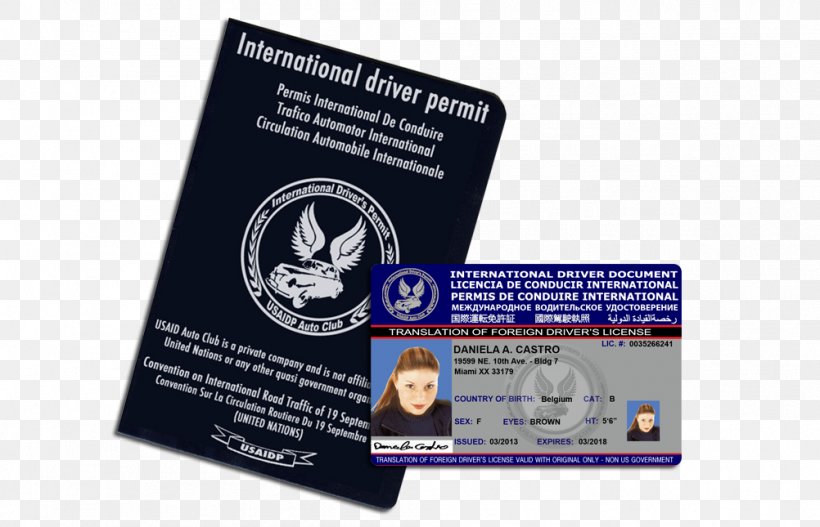
Convert Foreign Driving License In Germany: International Driving Permit
If you move to Germany, the rules for converting your foreign driving license depend primarily on where your license was issued. EU and EEA licenses are generally recognized until they expire, while most non-EU licenses are valid for only six months after your Anmeldung (residence registration). Whether you must take a theory test, practical test, both, or neither depends on Germany’s reciprocity rules under Anlage 11 of the Fahrerlaubnis-Verordnung (FeV).
Moving to Germany involves more than finding a place to live and completing your Anmeldung. If you intend to drive, understanding the legal status of your foreign driving license should be one of your first priorities.
Many new residents mistakenly assume that a valid license from their home country automatically remains valid in Germany. In reality, German licensing law applies different rules depending on the issuing country, and missing the applicable deadline can have serious legal and financial consequences.
This guide explains how the conversion process works, who can exchange a foreign license, which countries require examinations, the documents you need, expected costs, and the procedures handled by the local Führerscheinstelle.

Key Takeaways
- Six-Month Rule: Holders of non-EU/EEA driving licenses are generally permitted to drive in Germany for only six months after registering their residence (Anmeldung). This clock starts the day you register at the Bürgeramt.
- The Law is Non-Negotiable: Under § 21 StVG, driving after the six-month window without a valid German license is a criminal offense, not just a traffic infraction.
- Anlage 11 (Reciprocity): Not all licenses are equal. Some countries have full reciprocity agreements with Germany; others require full testing.
- Required Documents: You must provide a certified translation (if applicable), an eye test, a First Aid certificate, and biometric photos.
- Insurance Reality: If you drive without a valid license, your insurance coverage is void. In an accident, you are personally liable for all damages, which can lead to financial ruin.
Table of Contents
Convert Foreign Driving License In Germany
Converting a foreign driving license in Germany is not a single standardized process. Your eligibility depends on whether your license was issued by:
- An EU or EEA member state
- A country covered by Germany’s reciprocity agreements under Anlage 11 FeV
- A country without a reciprocity agreement
If you hold an EU or EEA driving license, you can generally continue using it until it expires. You may exchange it for a German license, but in most cases you are not legally required to do so.
For drivers from non-EU countries, different rules apply. Most foreign licenses remain valid for six months after you officially register your residence in Germany. Before that period ends, you should begin the conversion process if you intend to continue driving.
Applications are handled by your local Führerscheinstelle. Processing times vary significantly between cities, so applying well before your six-month deadline is advisable.
Driving In Germany With A Foreign License
Your foreign driving license does not become invalid immediately upon entering Germany.
For most non-EU license holders, the six-month period begins on the day you complete your Anmeldung, not on the date you entered Germany.
During this period you may drive only the vehicle categories covered by your valid home-country license.
If your license is not written in German, authorities may require either:
- A certified German translation, or
- A valid International Driving Permit (IDP), depending on the issuing country.
Having the correct supporting documents can make roadside inspections much simpler and help authorities verify your driving entitlement.
What Are The Rules For Driving In Germany For Foreigners?
Germany applies the same traffic laws to residents and foreign drivers.
Once your foreign license is no longer legally recognized, continuing to drive may constitute driving without a valid license under § 21 StVG. This is treated as a criminal offense rather than a simple traffic violation.
Another important consideration is insurance. If you drive without a legally valid license, your insurer may refuse coverage, potentially leaving you personally responsible for accident-related costs.
Risk Assessment for Non-Compliance:
| Scenario | Legal Risk | Financial Risk |
|---|---|---|
| Driving after 6 months (Valid Foreign License) | Criminal Charges (§ 21 StVG) | Total liability in accident |
| Driving with Expired Foreign License | Criminal Charges (§ 21 StVG) | Total liability in accident |
| Failure to carry translation/IDP | Fine (Ordnungswidrigkeit) | Potential vehicle impound |
Is Your Six-Month Driving Window Closing?
Non-EU licenses are valid for only six months after Anmeldung. Avoid criminal charges under § 21 StVG and total insurance liability by starting your conversion before the deadline hits.
How Long Can I Drive In Germany With A Foreign License?
For most non-EU and non-EEA licenses, the standard recognition period is six months after your Anmeldung.
Certain temporary residents may qualify for an extension if they can demonstrate they will leave Germany within a limited period, but this is an exception and depends on the local authority.
If your right to drive expires before you obtain a German license, you must stop driving until your German license has been issued.
A practical planning timeline looks like this:
- Month 1: Complete Anmeldung and confirm whether your country appears in Anlage 11 FeV.
- Month 2: Book an appointment with the Führerscheinstelle.
- Month 3: Complete your eye test, First Aid course, and certified translation if required.
- Month 4: Submit your application and register with a Fahrschule if examinations are necessary.
- Month 6: If your German license has not yet been issued and your recognition period has ended, you must stop driving.
Which Countries’ Driving Licenses Can Be Exchanged In Germany?
Germany maintains reciprocity agreements with selected non-EU countries and jurisdictions.
These agreements are listed in Anlage 11 of the Fahrerlaubnis-Verordnung (FeV).
Depending on your country or region, you may qualify for:
- Direct exchange without examinations
- Theory examination only
- Practical examination only
- Both theory and practical examinations
Because reciprocity agreements can change, always verify the current requirements with your local Führerscheinstelle or the Federal Ministry responsible for transport before submitting your application.

How To Convert An Indian Driving License In Germany?
India is not currently included among the countries with a full reciprocal exchange arrangement.
As a result, most Indian license holders must complete the German licensing process, including both the theory examination and the practical driving examination.
Depending on your local authority and driving school, previous driving experience may reduce the amount of practical instruction recommended before taking the examination, but passing the required tests generally remains necessary.
Can I Exchange My Indian License In Germany?
A direct exchange is generally not available.
Applicants usually need to:
- Submit a conversion application.
- Provide the required documentation.
- Pass the required examinations.
- Receive a German driving license before continuing to drive after the recognition period ends.
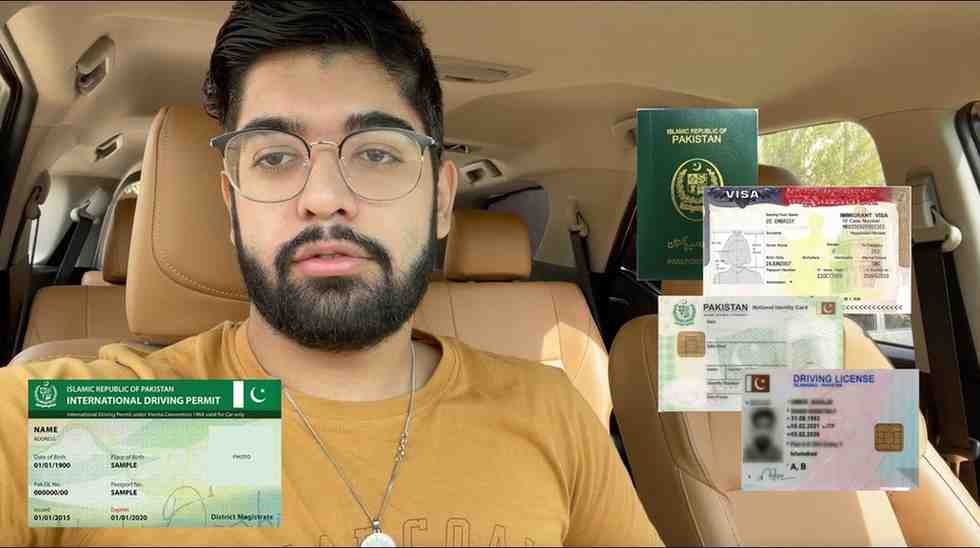
Is A Pakistani Driving License Valid In Germany?
A Pakistani driving license is generally recognized during the initial six months following your Anmeldung, provided it remains valid.
Many drivers also carry an International Driving Permit to help German authorities interpret the license details.
After the recognition period expires, a Pakistani license alone is no longer sufficient for driving in Germany.
Because there is currently no direct exchange agreement, applicants normally need to complete the required German licensing examinations.
How To Get A German Driver’s License As An American?
The United States is treated differently because Germany has reciprocity agreements with individual U.S. states rather than the country as a whole.
Your requirements depend entirely on the issuing state.
Some states qualify for:
- Direct exchange
- Theory examination only
- Additional testing requirements
Others require applicants to complete both the theory and practical examinations.
Before your appointment, verify your state’s status under Anlage 11 and determine whether a certified translation of your license is required.
Countries Where A German Driving License Is Valid
A German driving license is recognized throughout the European Union and the European Economic Area.
Outside Europe, recognition often depends on international agreements, including the Vienna Convention on Road Traffic.
Many countries accept a German license, but some also require an International Driving Permit, particularly for vehicle rentals or longer stays.
Always check the entry and driving requirements of your destination before traveling.
International Driving License Germany
An International Driving Permit is not a replacement for your driving license.
Instead, it serves as an official multilingual translation that must always be carried together with your valid national driving license.
Applications are submitted through the responsible Führerscheinstelle.
If you still possess an older paper-format German license, you may first need to exchange it for the current EU card format before an IDP can be issued.
Join Drivers Who Converted Without Delays
Thousands successfully navigate Anlage 11 reciprocity rules and Führerscheinstelle appointments each year. Follow a proven Umschreibung path to avoid rejections, missed documents, and costly retakes.
Required Documents
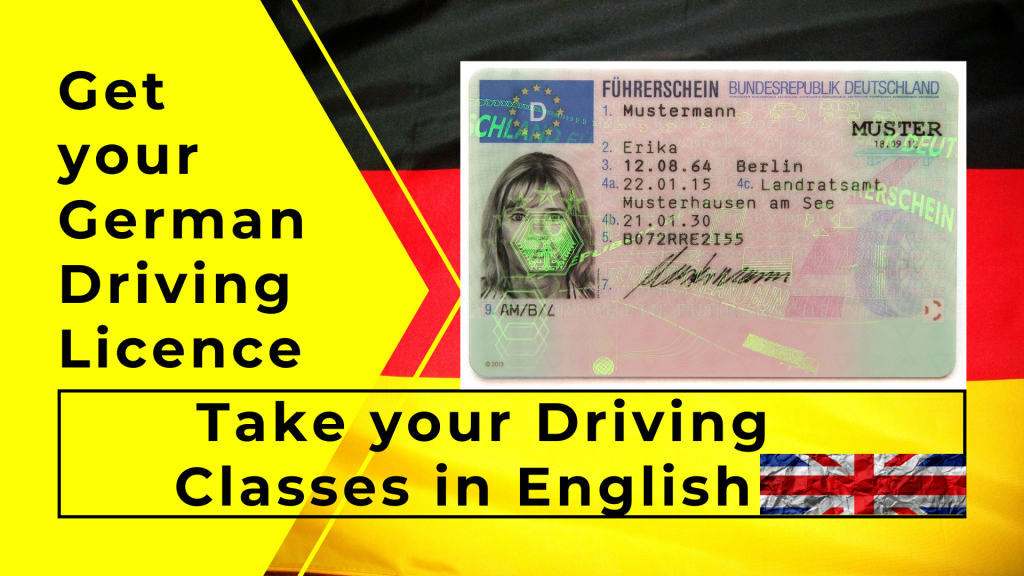
Although individual authorities may request additional documents, applicants commonly need:
- Valid foreign driving license
- Passport or national identification
- Residence registration certificate (Meldebestätigung)
- Biometric passport photograph
- Eye test certificate
- First Aid course certificate
- Certified German translation when required
- Completed application form
Translate Driving License To German
If your license is not already issued in German or in a format accepted by German authorities, you may need a certified translation.
Many authorities accept translations completed by ADAC or by publicly appointed and sworn translators.
Before ordering a translation, confirm your local Führerscheinstelle’s requirements to avoid unnecessary delays.
Procedure
The conversion process generally follows these steps:
- Register your residence in Germany.
- Determine whether your country qualifies under Anlage 11 FeV.
- Book an appointment with your local Führerscheinstelle.
- Collect all required documents.
- Submit your application.
- Complete any required examinations.
- Receive your German driving license.
If examinations are required, the Führerscheinstelle will authorize you to register with a driving school.
When choosing a Fahrschule, consider:
- Available instruction language
- Experience with foreign license conversions
- Transparent pricing
- Scheduling flexibility
Driver’s License Conversion Costs In Germany
Converting a license is not free, and costs can accumulate quickly depending on your specific situation.
Estimated Cost Breakdown:
| Service | Estimated Cost (EUR) | Note |
|---|---|---|
| Administrative Fee | 40 – 60 Euro | Standard application fee |
| Certified Translation | 30 – 80 Euro | One-time cost |
| Eye Test | 7 – 15 Euro | Standard rate |
| First Aid Course | 30 – 50 Euro | Combine with other needs if possible |
| Fahrschule (Full process) | 800 – 1,500+ Euro | Varies by city and lessons needed |
Engaging professional consultation services can help you manage these expenses by ensuring you only pay for the necessary steps and avoid the common pitfalls that lead to failed exams or repeated administrative procedures.
Get The Complete Umschreibung Checklist
From certified translations and biometric photos to eye tests and First Aid certificates, ensure every document meets FeV standards before your appointment.
Frequently Asked Questions About Convert Foreign Driving License In Germany
How Can I Convert Foreign Driving License In Germany Without Taking Tests?
Only applicants whose licenses qualify under Germany’s reciprocity agreements in Anlage 11 FeV may be eligible to exchange their license without examinations. Eligibility depends on the issuing country or jurisdiction.
How Long Can I Drive In Germany With A Foreign License?
For most non-EU license holders, the recognition period is six months from the date of Anmeldung. After that period, you generally need a valid German driving license to continue driving legally.
Can I Drive While My Conversion Application Is Being Processed?
Not automatically. If your six-month recognition period has already expired and your German license has not yet been issued, you generally cannot continue driving solely because an application is pending.